Gandhi Medicos Logo
Back to health articles
Renal Cell Carcinoma- Causes, Diagnosis, Treatment and Medication

Renal Cell Carcinoma- Causes, Diagnosis, Treatment and Medication

Renal Cell Carcinoma, commonly known as kidney cancer or RCC, occurs when the uncontrolled division of cells crowds the linings of the tubules leading to the kidney. It is a fast-spreading type of cancer that can spread to other organs like the lungs and other surrounding organs. What causes RCC? There is uncertainty within medical

Gandhi Medicos June 13, 2021 3 minutes

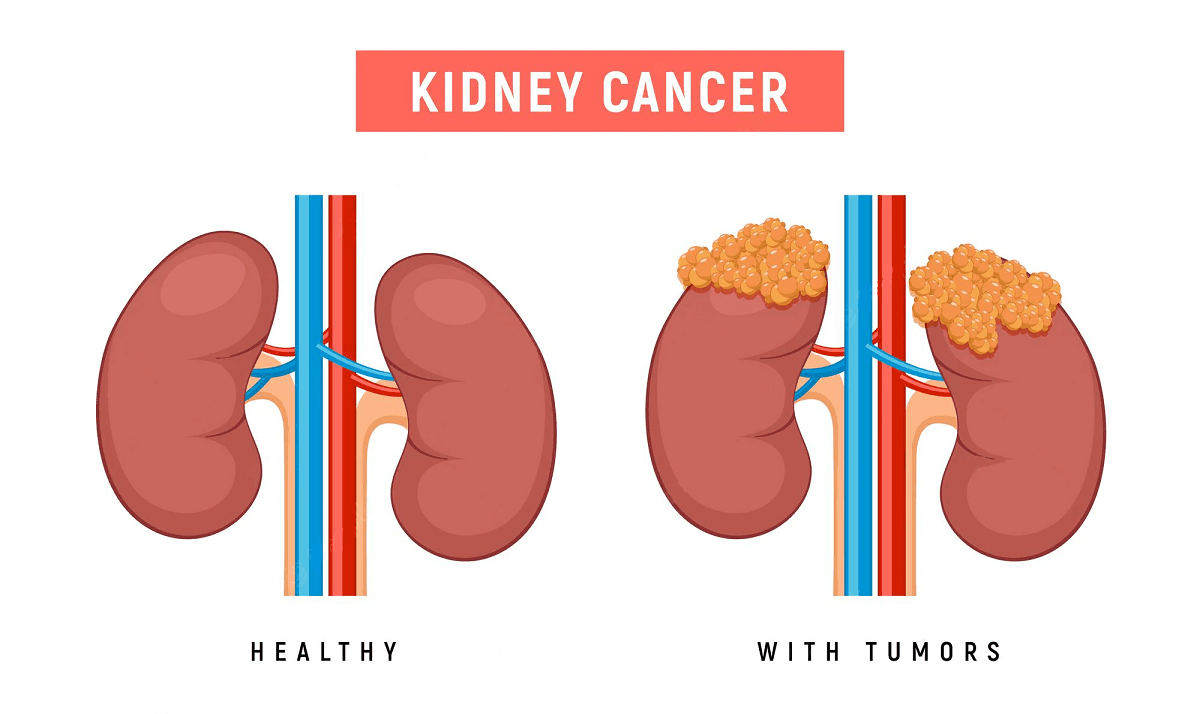
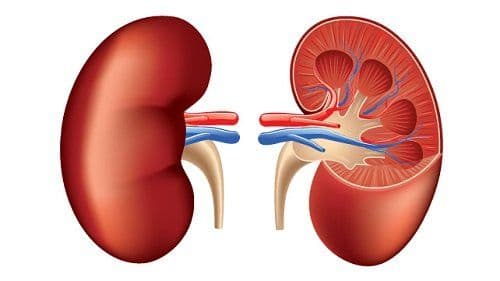
Renal Cell Carcinoma, commonly known as kidney cancer or RCC, occurs when the uncontrolled division of cells crowds the linings of the tubules leading to the kidney. It is a fast-spreading type of cancer that can spread to other organs like the lungs and other surrounding organs.

What causes RCC?

There is uncertainty within medical circles about the exact cause of RCC. It can be found in almost anyone but is more commonly found in men aged above 50. Some of the most common sources of RCC include a family history of RCC, dialysis treatment, obesity, smoking, polycystic kidney disease that causes cysts or growth in the kidney, and use of medications to fight other conditions like arthritis.

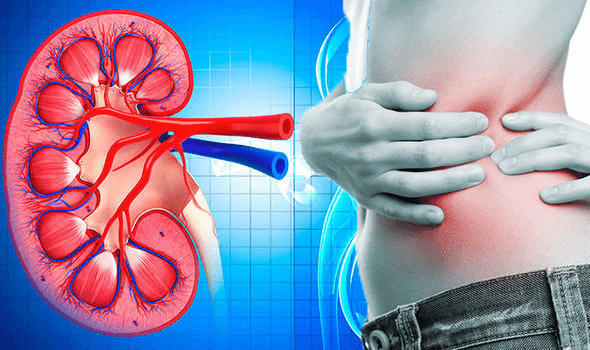
Patients with RCC do not exhibit symptoms initially. However, with the progression of the disease, patients may exhibit symptoms like excessive pain on the sides, weight loss, fatigue, vision problems, blood in urine, a lump in the abdomen, and excessive hair growth in women.

Diagnosis for RCC

After an analysis of the patient’s medical history and symptoms, if the doctor believes that the patient might have RCC, and then some tests are conducted, which include the following:

  • Complete Blood Count, where a blood sample is collected from the patient and sent to the laboratory for further analysis.
  • CT Scan where the kidney is scanned and the doctor checks for any abnormal growth.
  • Abdominal and Kidney Ultrasounds, where the image of the kidney is produced with sound waves to detect any abnormal growth or tumors in the kidney.
  • Urine Test where the patient’s urine samples are collected and tested for the presence of cancerous cells.
  • Biopsy or the removal of a small part of the kidney tissue is sent to the pathology lab for further testing to determine the presence of cancerous cells.

If confirmed in these tests that a patient has RCC, further tests known as staging tests are conducted to determine how extensive the spread of the infection is. These include a chest X-Ray, PET scan, and bone scan.

Treatment for RCC

RCC can be treated through conventional cancer treatment methods like surgery, chemotherapy, and radiation, biologic and targeted therapy. Anti-cancer drugs like Sutekast have become a staple in cancer medication. Sutekast is a salt that inhibits the motion of receptor tyrosine kinases. Activating these receptors means cutting down tumor vascularisation and enhancing cancer cell apoptosis, which leads to reduced tumors. Sutekast intake must be done for four weeks with a 15 schedule or according to the doctor’s prescription. This is because the drug is used to treat other diseases like pancreatic neuroendocrine tumors and gastrointestinal stromal tumors.


This article follows medical accuracy standards and current clinical guidelines.

Important Medical Disclaimer & Legal Notices

Medical Disclaimer: All content found on the Gandhi Medicos Website, including: text, images, audio, or other formats were created for informational purposes only. Offerings for continuing education credits are clearly identified and the appropriate target audience is identified. The Content is not intended to be a substitute for professional medical advice, diagnosis, or treatment. Always seek the advice of your physician or other qualified health provider with any questions you may have regarding a medical condition. Never disregard professional medical advice or delay in seeking it because of something you have read on this Website.

Gandhi Medicos - Exporters of Generic Medicines. If you think you may have a medical emergency, call your doctor or go to the emergency department, or immediately. Gandhi Medicos does not recommend or endorse any specific tests, physicians, products, procedures, opinions, or other information that may be mentioned on Gandhi Medicos. Reliance on any information provided by Gandhi Medicos, Gandhi Medicos employees, contracted writers, or medical professionals presenting content for publication to Gandhi Medicos is solely at your own risk.

The Site may contain health- or medical-related materials or discussions regarding sexually explicit disease states. If you find these materials offensive, you may not want to use our Site. The Site and its Content are provided on an “as is” basis. Gandhi Medicos - Exporters of Generic Medicines. Links to educational content not created by Gandhi Medicos are taken at your own risk. Gandhi Medicos is not responsible for the claims of external websites and education companies.

General Advisory: We advise you to stick to medication routine (or medication adherence), i.e. to take medications as prescribed – the right dose, at the right time, in the right way and frequency. Not taking medicines as prescribed by a doctor or instructed by a pharmacist could lead to disease getting worse, hospitalization, even death.

Products protected by valid patents are not offered for sale in countries where the sale of such products constitutes patent infringement. Any liability for patent infringement is at the buyer's risk.

All Trademarks, Brands and Service marks that appear on this website belong to their respective owner.