
Sorafenib
Classification - Anticancer Medicine
Sorafenib?
Used as an anti-cancer treatment for liver /kidney cancer or relapsed thyroid cancer.
Gold standard sorafinib preparation - Sorafekast
Uses of Sorafenib -
Liver cancer
Kidney carcinoma
Thyroid carcinoma
Radioactive iodine-refractory differentiated thyroid cancer
Working of Sorafinib?
It is a multikinase inhibitor
It inhibits several protein kinases
It inhibits new blood vessel formation, cuts off the blood supply and oxygen to cancer cells, causing cancer cell death.
Common side effects
High blood pressure
Weight loss
Hair loss
Diarrhea
Skin rashes
Mouth ulcers
Pain in the abdomen
Delayed wound healing
Serious side effects
Gastrointestinal bleeding
Risk of blood clotting
Heart complications- heart attack, stroke
QT prolongation -irregular heartbeats
Severely high blood pressure
Skin peeling and ulceration
Visual changes, headaches, and seizures
Precautions
To be used cautiously in patients having
Advanced liver dysfunctions
Hypertensive patients
Cardiovascular disorders
Blood disorders
Planning surgery
Thyroid disorders
Contraindications
Not to be used in allergy or hypersensitivity to sorafenib or the drug components.
Breastfeeding mothers
Pregnant women
Warnings
To be used under the supervision of a medical practitioner or oncology specialist, having adequate diagnostic and monitoring facilities.
Important safety and monitoring information
Regularly monitor cardiac functions, hepatic, renal functions, skin colorations, thyroid functions, and bleeding functions.
Gandhi Medicos -The leading Anticancer Medicine
Gandhi Medicos, with 19 years of pharmaceutical services, stands as a trusted supplier of authentic anticancer medicines.
🔹 Our Strengths:
• 19+ years of pharmaceutical expertise
25,000+ satisfied customers across 50+ countries
300+ ethical brands | 400+ trusted generics
Temperature-controlled global shipping
Expert pharmaceutical support & therapeutic guidance
Collaborations with leading hospitals & oncologists worldwide
Your Trusted Healthcare Partner in Chronic & Critical Care Excellence
Formulations based on "Sorafenib" (9)
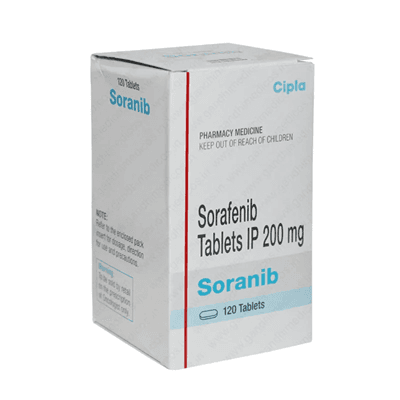
Soranib Tablet
Sorafenib
Product Name Soranib Composition Sorafenib Form Tablet Manufactured By Cipla Packaging Size 120 Tablets Prescription Required Storage Store below 30°C
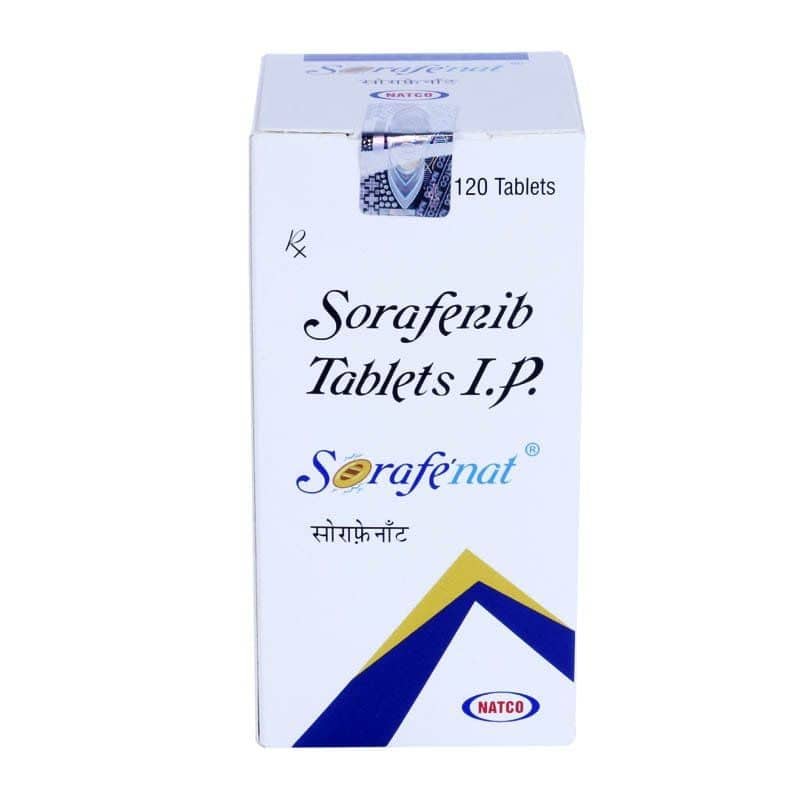
Sorafenat
Sorafenib
Product Name Sorafenat Composition Sorafenib Tablets I.P. Dose/Strength 200 mg Form Tablets Packaging Size 120 Tablets Packaging Type Bottle
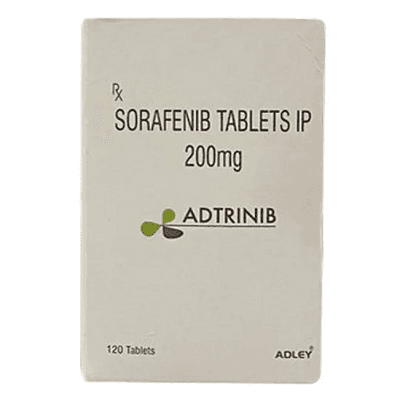
Adtrinib 200mg Tablet
Sorafenib 200mg
Product Name Adtrinib 200mg Tablet Composition Sorafenib 200mg Dose/Strength 200mg Form Tablet Manufactured By Adley Formulations Packaging Size 30 tablets in 1 bottle Prescription Required Storage Store below 30°C
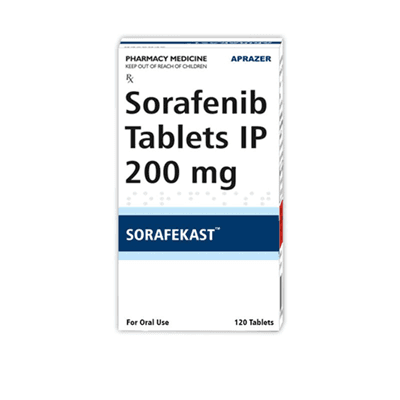
Sorafekast
Sorafenib
Product Name Sorafekast Composition Sorafenib Dose/Strength 200 mg Packaging Size 120 Tablets Manufactured By Aprazer Healthcare Prescription Required Storage Store below 30°C
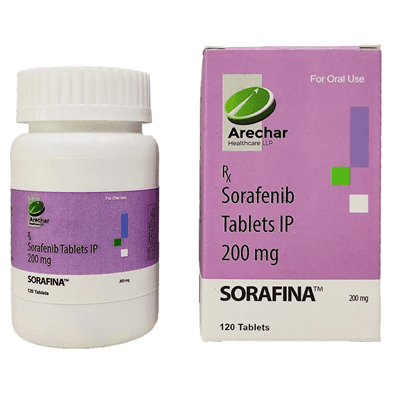
Sorafina
Sorafenib 200mg
Product Name Sorafina Composition Sorafenib 200mg Dose/Strength 200mg Packaging Size 120 Tablets Manufactured By Arechar Healthcare Prescription Required Storage Store below 30°C

Sorepto 200mg Tablet
Sorafenib 200mg
Product Name Sorepto 200mg Tablet Composition Sorafenib (200mg) Dose/Strength 200mg Form Tablet Manufactured By Lupin Ltd Packaging Size 30 tablets in 1 bottle Prescription Required Storage Store below 30°C
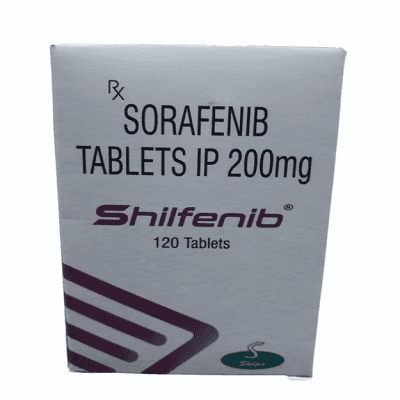
Shilfenib 200mg Tablet
Sorafenib 200mg
Product Name Shilfenib 200mg Tablet Composition Sorafenib (200mg) Dose/Strength 200mg Form Tablet Manufactured By Shilpa Medicare Ltd Packaging Size 120 tablets in 1 bottle Prescription Required Storage Store below 30°C
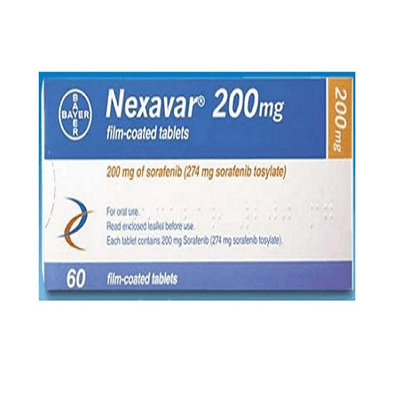
Nexavar 200mg Tablet
Sorafenib 200mg
Product Name Nexavar 200mg Tablet Composition Sorafenib (200mg) Dose/Strength 200mg Form Tablet Manufactured By Bayer Zydus Pharma Pvt Ltd Packaging Size 60 tablets in 1 bottle Prescription Required Storage Store below 30°C
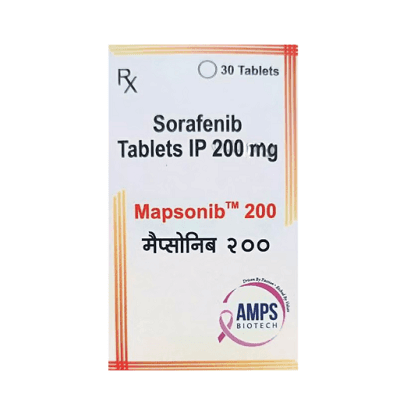
Mapsonib 200mg Tablet
Sorafenib 200mg
Product Name Mapsonib 200mg Tablet Composition Sorafenib (200mg) Dose/Strength 200mg Form Tablet Manufactured By AMPS Biotech Pvt Ltd Packaging Size 30 tablets in 1 bottle Prescription Required Storage Store below 30°C