





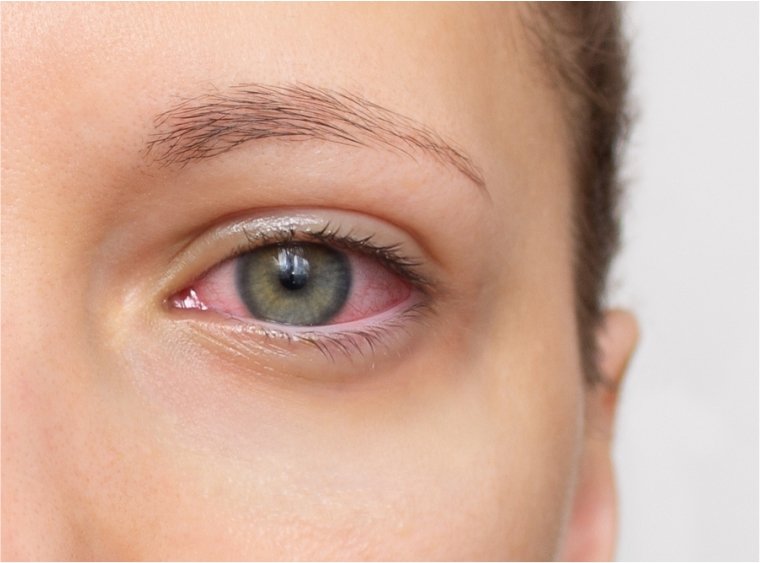
Myeloma and the Link to Ocular Manifestations
The eye dysfunctions may be caused due to several diseases or as a side effect of various treatments. Blurring of vision or other eye defects can be an early sign or symptom of myeloma.
What is Myeloma?
Myeloma is a blood cancer that affects white blood cells, which help the body fight back against the cancer. It is a type of plasma cell cancer. The abnormal plasma cells produce excess antibodies that lose their function to fight cancer cells, and damage other organs like the kidney, liver, etc.
How Does Myeloma Affect the Eyes?
Plasma Cell Infiltration—
The plasma cells directly infiltrate into the orbit (eye socket) or the other eye tissues. It leads to various issues like –
- • Bulge in the eyes,
- • Double vision,
- • Pain, swelling in the eyes, and the eyelid.
Increased Thickness of the Blood (Hyperviscosity)
The excessive amount of plasma cells in the blood causes thickening of the blood, slows down blood flow to the retina, and forms blood clots in the eye, leading to –
- • Blurred vision
- • Bleeding in the eye (retinal hemorrhage)
- • Double vision
- • Difficulty to focus
- • Retinal detachment
- • Formation of blind spots
Crystalline Deposits
The abnormal paraproteins produced by excess secretion of immunoglobulin build up around the eyes, leading to crystalline deposits in the cornea or other structures.
It causes pain, bulging of the eyes, and double vision.
Optic Nerve Compression
It is the plasma cell tumor or lesion in the orbital bone that exerts pressure on the optic nerve, leading to vision loss, eye pain, and double vision.
POEMS Syndrome
It is a rare condition that occurs due to a blood disorder. It causes the optic nerve to damage and swell, leading to vision loss and dysfunction.
Increased Risk of Infections
Myeloma is a cancer of the immune cells. Reduction in the body’s immunity increases the vulnerability to infections like shingles, herpes, etc., and other eye infections.
Myeloma Causes Eye Symptoms as –
- • Changes in the vision
- • Dry eyes
- • Redness in the eye
- • Irritation in the eye
- • Photosensitivity
- • Easy bruising
- • Watery eyes
- • Unusual discharge
Ocular Side Effects From Myeloma Treatment?
The myeloma treatment, involving the high-dose corticosteroids and other chemotherapy drugs, causes ocular side-effects like retinal hemorrhage, conjunctivitis, and cataracts, etc.
• Corneal Damage– It is the use of corticosteroids that causes a lesion of the epithelial layer of the cornea, or damages the cornea, leading to gritty or sore eyes.
• Dry Eyes – The stem cell transplantation or chemotherapy suppresses tear formation by damaging or inhibiting the lacrimal glands, or the neuropathy (nerve damage) reduces eye movement and leads to dryness and irritation in the eye.
• Cataracts: long-term use of steroids causes changes in the structure of the lens, clumping together lens protein, leading to the formation of patches.
• Glaucoma: The corticosteroid or other immunomodulatory drugs reduce the ability to drain intraocular fluid, causing fluid retention and increasing intraocular pressure. Excessive pressure may cause optic nerve damage, leading to peripheral vision loss.
• Eye Infections: The myeloma and its treatment reduce immunity, increasing the risk of eye infections like conjunctivitis, etc.
• Other Health Conditions – various conditions like diabetes, high blood pressure, and thyroid disease increase the risk of eye dysfunction in myeloma patients.
Key Takeaways –
Myeloma or its treatment commonly affects the eyes. The regular screening and early detection of ocular symptoms help take timely measures to prevent eyesight loss and improve quality of life.
A Trusted Name in Anticancer Drug Distribution and Export
Gandhi Medicos is at the forefront of cancer care and anticancer drug distribution. It is the trusted anticancer drug exporter to countries worldwide, offering global standard care and premium quality products.
- • WHO-GMP certified anticancer medicines
- • Extensive catalogue – 300 + generic, 400 + brands
- • 100 percent authentic medicines

