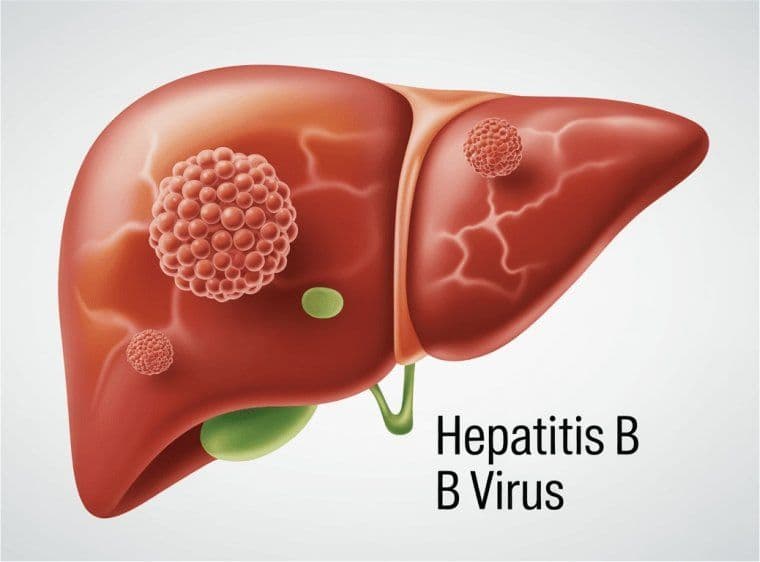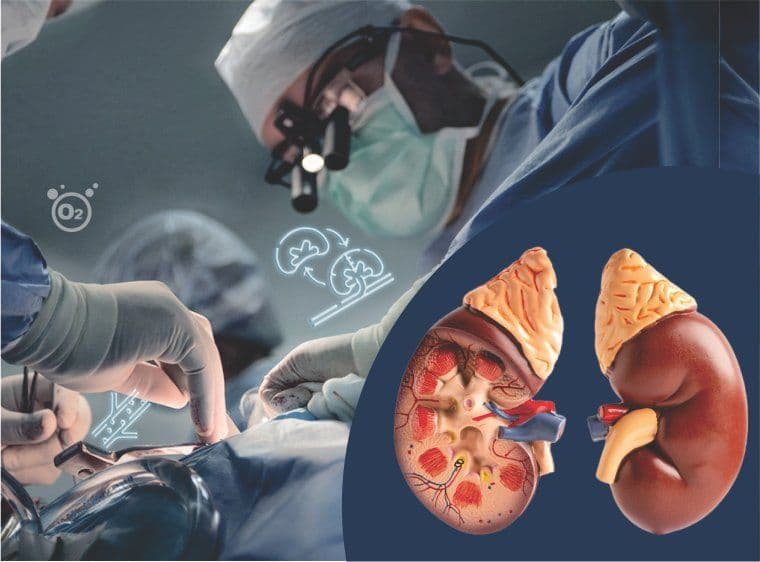

An organ transplant extends beyond saving lives; it restores quality of life, dignity, and hope. Organ transplant gives a new chance at life, giving sight to the blind, a hope for children born with heart failure, and to women to regain motherhood in conditions of infertility.
What is an Organ Transplant?
It is a procedure where a failed organ or a non-functional organ is replaced by a healthy organ from the donor.
Reasons for Organ Transplant
- • Chronic Condition – Certain chronic diseases like diabetes, kidney disease, or hepatitis which damage organ health, leading to a severe decline in organ functioning.
- • End-stage Organ Failure – The last stage of the organ’s functioning, after which the organ can no longer sustain life. Conditions like liver failure (cirrhosis), end-stage kidney disorder, etc.
- • Accidents and Injuries – Certain traumas or injury and accident leading to complete organ damage.
How Is an Organ Transplant Done?
It involves various steps-
- • Identification of the donor and evaluation – The donor may be alive or deceased.A deceased donor is someone who has died suddenly or whose organs are still safe and functioning well. A live donor gives a part of their tissue or organ, such as in a liver transplant or when donating one of their two kidneys.The donor’s health is checked for suitability for donation. It includes examining the donor’s consent and willingness, organ condition, any other diseases, and overall health status.
- • Matching test – Before organ transplantation, various factors like blood type, tissue type, and overall health are evaluated and matched for compatibility with the recipient.
- • Removal & Transplantation surgery – The organ is removed surgically from the donor and preserved in some solution to secure viability or simultaneously transplanted into the recipient.
- • Post-Surgical care and Monitoring – The patient is monitored closely for the critical functioning of the organ, organ rejection, infection, bleeding, and overall health.Immunosuppressants are taken during the transplant to prevent organ rejection and are to be continued lifelong for successful graft functioning.
Types of Organ Transplants
- • Heart Transplant
- • Lung Transplant
- • Liver Transplant
- • Cornea Transplant
- • Kidney Transplant
- • Pancreas Transplant
- • Skin Transplant
- • Bone Marrow Transplant
- • Intestine Transplant
Benefits of an Organ Transplant
- • An organ transplant is a life–saving procedure that saves life at the end stage of organ failure.
- • Organ transplant improves life expectancy, increases the survival rate.
- • It helps restore organ functions, and a person can lead a normal life.
- • It relieves long-term body insufficiencies like tiredness, breathlessness.
- • It aids remission of chronic illness.
Risk of Organ Transplant
- • Surgical complications – They include bleeding, risk of infection, severe fall in BP, and pulse rate.
- • Risk of organ rejection – It is the stage when the body is unable to accept the graft, which induces an immune response that attacks the transplanted organ.
- • Risk of infections – Immunosuppressants are used to lower immunity to accept the foreign organ and prevent immune attack, hence the lowered immunity increases the risk of various chronic and acute infections.
- • Risk of chronic illness – Long-term usage of anti-rejection medicines lowers body functioning and increases the risk of metabolic disorders, diabetes, demineralization of bone, and high blood pressure.
Organ Rejection Symptoms
General symptoms include –
- • Fever, nausea, diarrhea, vomiting
- • Kidney transplant rejection – swelling, high blood pressure, and weight gain.
- • Liver transplant rejection- yellowish urine, abdominal pain, dark urine.
- • Heart transplant rejection – chest pain, drowsiness, insufficiency of breathing, arrhythmia.
The Role of Anti-Rejection Medicines
The immunosuppressant medicines are given during transplant surgery to protect the graft.The body generates antibodies against the antigens, like viruses, bacteria, etc., and also recognizes a transplanted graft or organ as a foreign element and attacks it, producing antibodies against the transplant.The anti-rejection medicines prevent the immune response by suppressing the immune system.
- • Tacrolimus
- • Mycophenolate mofetil
- • Mycophenolate sodium
- • Prednisone
- • Cyclosporine
- • Sirolimus
- • Everolimus
- • Basiliximab
- • Anti-thymocyte globulin
Organ Transplant Medicines at Gandhi Medicos
Gandhi Medicos, offering the widest range of generic medicines, is the leading distributor and wholesaler for organ transplant medicines.
- • WHO-GMP certified medicines
- • 300+ generic medicines
- • 200+ branded ethical medicines
Doctors Prescribed & Top-selling Medicines
- • Tacrolimus – Xgraf
- • Mycophenolate mofetil – Myfocept
- • Mycophenolate sodium – Myfocept-S