



Gallstone Risk and Treatments
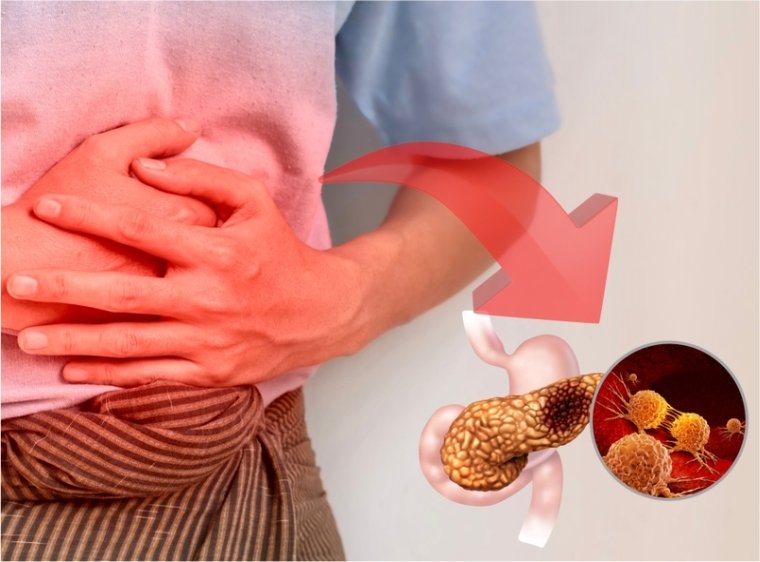
Gallstones do not remain uncommon. The changing lifestyles and diet led even the young to develop gallstones. It affects people of all age groups and sexes.
The gallstones are formed through a disorder or imbalance in the composition of the bile juice.
What Are Gallstones?
Gallstones lie in the gallbladder. The gall bladder is present below the liver.
These are hard masses formed by the deposition of bilirubin, cholesterol, and calcium.
Symptoms of Gallstones
- • Pain in the upper abdomen
- • Nausea
- • Vomiting
- • Pain after meals
- • Burping or gas formation
- • Jaundice
- • Fever
- • Dark urine
- • Pale stools
How Are Gallstones Formed?
Gallstones are formed by three processes–
- • Cholesterol Accumulation – when the liver is unable to process bile juice, it gets deposited in the form of hard masses.
- • Concentrated Digestive Fluid— The gallbladder is unable to empty, forming a concentrated solution that causes gallstones.
- • Excess Bilirubin – Certain liver diseases cause an excess of bilirubin, which accumulates to form stones.
How Do Gallstones Affect Body Functioning?
- • Indigestion – Gallstones block the bile duct, which affects the bile flow to the intestines, causing indigestion.
- • Pain and inflammation – The forceful contraction leads to pain and inflammation, causing fever, nausea, and infection.
- • Infection – The excess bile buildup may cause toxicity or infection.
- • Bile juice build-up – The backflow of bile juice in the liver causes accumulation of bile in the liver, leading to inflammation.
Risk Factors for Gallstones
- • Growing age – increasing age decreases gall bladder mobility.
- • Women – pregnant women, or those taking hormone therapy or birth control pills, pose a risk for gallstone formation. The high levels of estrogen cause increased cholesterol secretion.
- • Obesity – obesity causes fat deposition and cholesterol secretion.
- • Diabetes Mellitus – the glucose resistance leads to an increased level of triglycerides, which can form gallstones.
- • Diet – The low fiber diets and high saturated fats increase the risk of fat deposition.
- • Sedentary lifestyle – decreased physical activity reduces gall bladder contractions.
- • Chronic illnesses – chronic liver diseases that increase bilirubin secretion.
- • Family history – a genetic factor may influence gall bladder functioning or bile formation.
What Are the Treatments for Gallstones?
Asymptomatic gallstones without pain can be harmful and need to be watched.
Depending upon the size, the large gallstones that cause pain are removed through surgery, and the smaller ones can be dissolved through medicines.
The Medicines Used for Gallstones
Ursodeoxycholic acid – Udikast
- • It dissolves the gallstones.
- • Improve bile flow.
- • Prevent the formation of new gallstones.
Gandhi Medicos Supplies Advanced Gastrointestinal Medicines
Gandhi Medicos is the bulk medicine supplier to the leading hospitals, clinics, and dispensaries.
We export gastrointestinal medicines across 50 + countries.
WHO- GMP-certified medicines, globally accepted and prescribed.

