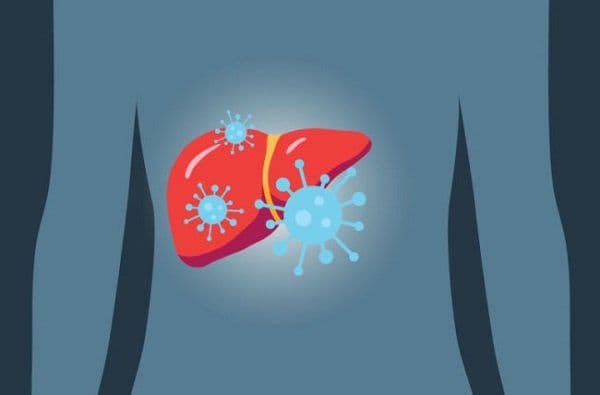
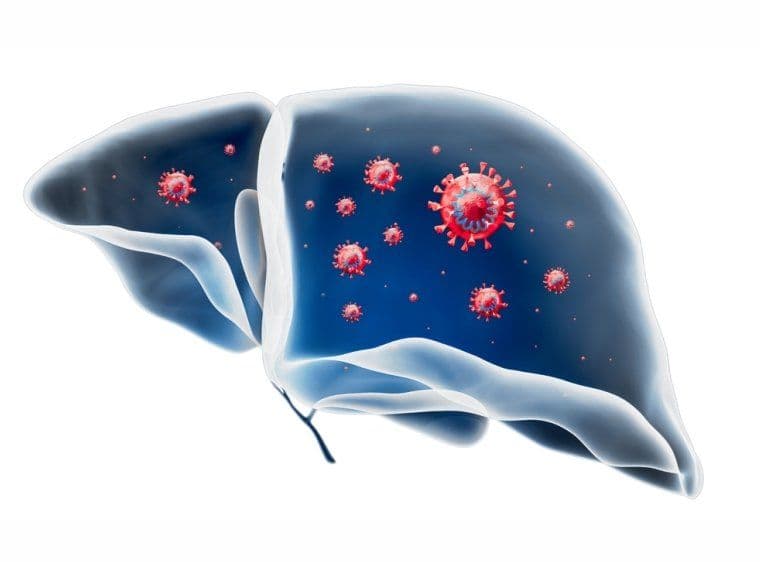
The liver is the only organ that regenerates itself from a small tissue to a fully functional organ.
It is this process that is widely used in liver transplant, in which a portion of the donor liver is placed in the recipient to regrow into a full organ.
The unique feature of the liver to regenerate itself offers a horizon of hope for both the donor and the recipient.
What is a Liver transplant?
Liver transplant is a process in which the liver that is not working is replaced by a healthy liver from a donor. The liver is taken from the deceased donor or the live donor.
Why is There a Need for a Liver Transplant?
Liver transplant is widely needed in conditions when the liver fails to regrow or regenerate. The healthy hepatocyte cells are replaced by a tissue scar, the scar grows in size, and loses its ability to regrow or regenerate.
- • Cirrhosis – It is the last stage where the liver fails to function normally. All the healthy cells are replaced by a scar.
- • Liver Cancer – It is a cancer, which liver cells grow abnormally and lose their function.
- • Severe Fatty Liver Disease – It is an accumulation of fat inside the liver that causes inflammation and liver scarring.
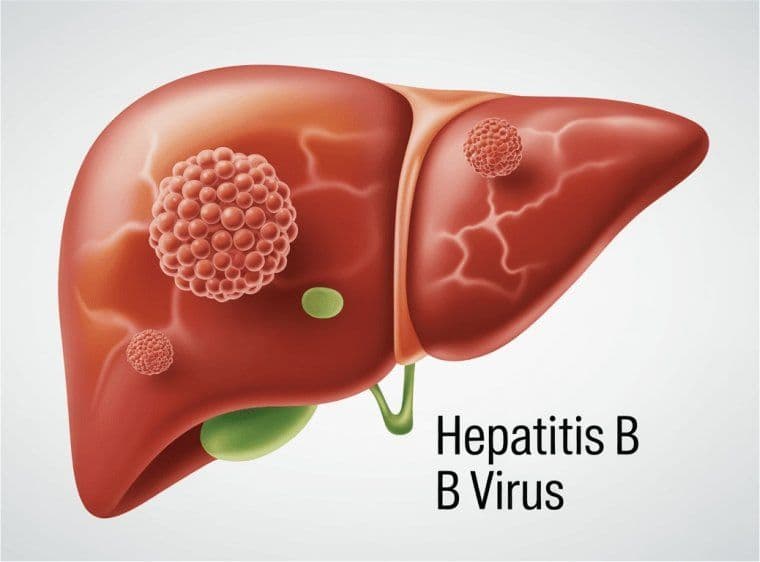
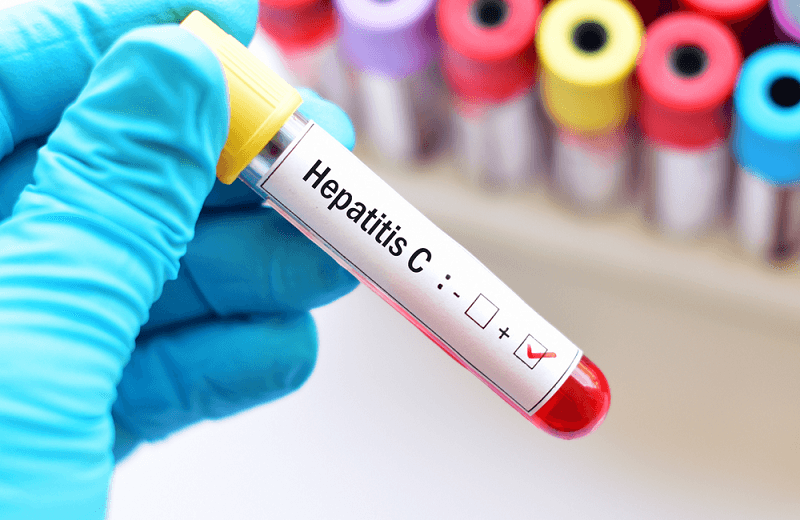
- • Hepatitis – It is a condition that causes inflammation and leads to fibrosis and the formation of liver scars.
- • Chronic Liver Diseases – Long-term liver infection, jaundice, Hepatitis B and C, and autoimmune diseases of the liver.
How Liver Regenerate After a Transplant?
Liver, with its regenerating nature, regains its full functions and size in both donor and recipient within a couple of months.
- • The Priming Phase – It is the first phase where the liver cells respond to the growth factors.
- • The Proliferation Phase – It is the secondary phase, where liver cells rapidly divide to grow.
- • The Termination Phase – After the restoration of the liver size and functions, it is the inhibitory phase, where the hepatocytes stop dividing or multiplying.
The Role of Anti-Rejection Medicines in Liver Transplantation
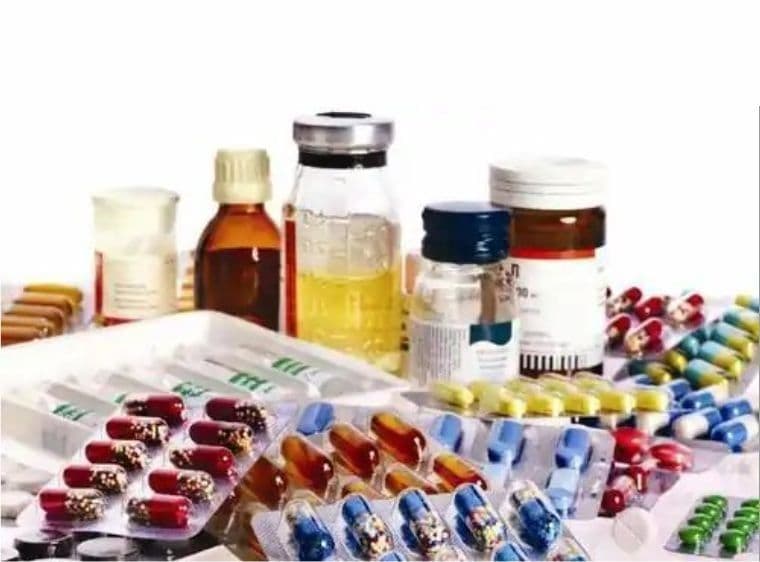
Liver transplant recipients need lifelong medications to protect the graft and to reduce rejection.
The antirejection medicines work in 3 phases –
- • Induction Phase – The immunosuppressants are given before the surgery to prepare the body to accept the graft.
- • Maintenance Phase – It includes the long-term use of immunosuppressant to suppress immune system to prevent organ rejection.
- • Rejection Treatment – It is the use of a combination of anti-rejection medicines when the body starts to reject the graft after a successful transplant.
Top-Quality Anti-Rejection Medicines, Available Worldwide
- Tacrolimus (Xgraf) – Tacrolimus suppresses the immune system, attacking the new liver. It works by blocking T-cells, responsible for the immune response.
- Mycophenolate Mofetil (Myfocept) – These inhibit the immune system by down-regulating white blood (Lymphocytes) cell formation. It inhibits cell-mediated antibody response.
- Sirolimus (Rocas) – It inhibits the signal to lymphocytes to divide and multiply and to attack the new graft.
- Corticosteroids – They include steroids like prednisone, which reduce inflammation and suppress immune cell activity.
Gandhi Medicos – Transplant Medicine Supplier and Exporter
Gandhi Medicos, with two decades of pharmaceutical excellence in global supply and export, Gandhi Medicos marks a leadership in global pharmaceutical distribution.
We strive to make essential healthcare accessible and within reach for everyone, supplying global standard, WHO-GMP certified medicines. Gandhi Medicos is a leading distributor of specialty medicines, covering various therapeutic segments such as oncology, hepatology, antivirals, and HIV.
Your top-notch healthcare partner for trustworthy, authentic pharmaceuticals.