Gandhi Medicos Logo
Back to health articles
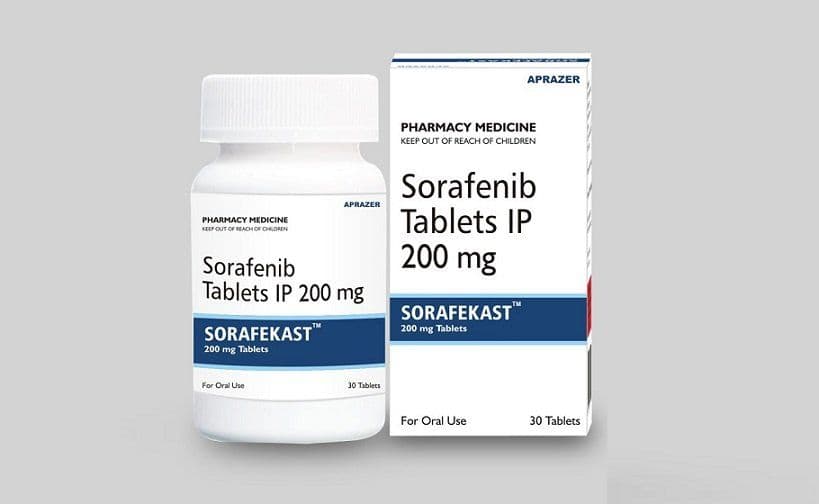
Sorafekast (Sorafenib) for the Treatment of Renal, Liver and Thyroid Cancer

Sorafekast (Sorafenib) for the Treatment of Renal, Liver and Thyroid Cancer

This is an oral drug applied as a chemotherapy drug used for treating thyroid, kidney, and liver cancer. Sorafekast (Sorafenib) is used to stop or slow down the growth and spread of cancer cells. It should be taken only by a doctor’s prescription and in the amount that the doctor prescribes. Use of sorafenib Sorafekast (Sorafenib) is used

Gandhi Medicos August 4, 2020 2 minutes

This is an oral drug applied as a chemotherapy drug used for treating thyroid, kidney, and liver cancer. Sorafekast (Sorafenib) is used to stop or slow down the growth and spread of cancer cells. It should be taken only by a doctor’s prescription and in the amount that the doctor prescribes.

Use of sorafenib

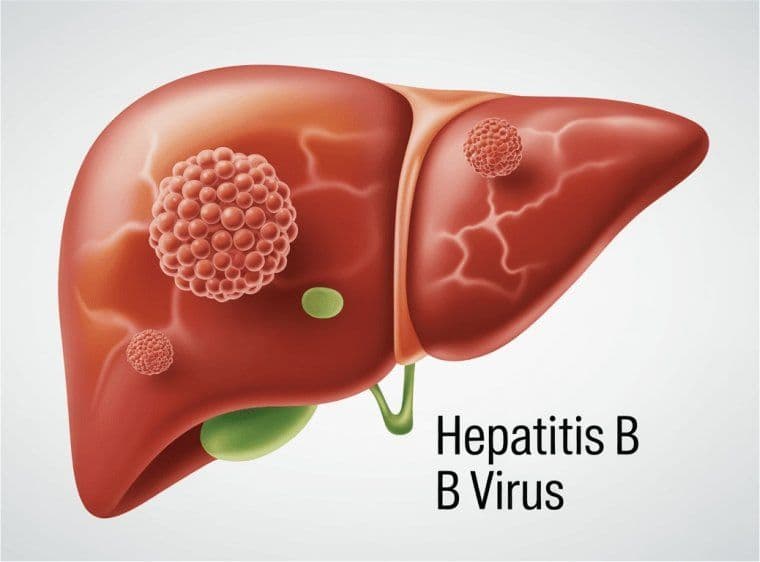
Sorafekast (Sorafenib) is used as a chemotherapy drug for three different types of cancer. It is also in the class of kinase inhibitors. It helps to stop and inhibit those abnormal proteins, which gives a signal to cancer cells to replicate and grow. By halting this protein, the spread of cancer can be stopped. This drug helps treat hepatocellular carcinoma patients (liver cancer patients), especially those who cannot undergo surgery. Also, it helps treat advanced renal (kidney) cancer by stopping the spread of cancer cells. Lastly, Sorafekast (Sorafenib) helps treat metastasized thyroid cancer, which has spread to other parts of the body.

Dosage of sorafenib

It is an oral tablet and should be taken two times a day, with a doctor’s prescription. This medicine is to be taken without food, either two hours after a meal or one hour before a meal. Make sure that these medications are taken around the same time every day, to achieve better results. Make sure to understand the interactions of Sorafekast (Sorafenib) with other medications, and consult with your doctor about it in detail.

Side effects of sorafenib

Some of the side effects of Sorafekast (Sorafenib) are:

  • Weakness, fatigue, and tiredness
  • Itching on the body
  • Loss of hair
  • Dry mouth, constipation, loss of appetite, diarrhea
  • Dry skin
  • Headache
  • Numbness and joint pain weight loss
This article follows medical accuracy standards and current clinical guidelines.

Important Medical Disclaimer & Legal Notices

Medical Disclaimer: All content found on the Gandhi Medicos Website, including: text, images, audio, or other formats were created for informational purposes only. Offerings for continuing education credits are clearly identified and the appropriate target audience is identified. The Content is not intended to be a substitute for professional medical advice, diagnosis, or treatment. Always seek the advice of your physician or other qualified health provider with any questions you may have regarding a medical condition. Never disregard professional medical advice or delay in seeking it because of something you have read on this Website.

Gandhi Medicos - Exporters of Generic Medicines. If you think you may have a medical emergency, call your doctor or go to the emergency department, or immediately. Gandhi Medicos does not recommend or endorse any specific tests, physicians, products, procedures, opinions, or other information that may be mentioned on Gandhi Medicos. Reliance on any information provided by Gandhi Medicos, Gandhi Medicos employees, contracted writers, or medical professionals presenting content for publication to Gandhi Medicos is solely at your own risk.

The Site may contain health- or medical-related materials or discussions regarding sexually explicit disease states. If you find these materials offensive, you may not want to use our Site. The Site and its Content are provided on an “as is” basis. Gandhi Medicos - Exporters of Generic Medicines. Links to educational content not created by Gandhi Medicos are taken at your own risk. Gandhi Medicos is not responsible for the claims of external websites and education companies.

General Advisory: We advise you to stick to medication routine (or medication adherence), i.e. to take medications as prescribed – the right dose, at the right time, in the right way and frequency. Not taking medicines as prescribed by a doctor or instructed by a pharmacist could lead to disease getting worse, hospitalization, even death.

Products protected by valid patents are not offered for sale in countries where the sale of such products constitutes patent infringement. Any liability for patent infringement is at the buyer's risk.

All Trademarks, Brands and Service marks that appear on this website belong to their respective owner.