Signs of Blood Cancer
There are many blood cancers, including leukemia, lymphoma, and myeloma. But some signs can help you identify these diseases earlier in their progression. If you notice any of these signs, it’s important to get medical attention immediately so your condition can be monitored and treated properly by a team of experts at your local hospital or cancer center.
- Bone pain that is often severe and located in the back or ribs
Blood cancer can cause bone pain, which may be mild to severe. The most common causes of bone pain are multiple myeloma, leukemia, and lymphoma.
- Swollen lymph nodes, most often in the neck, underarm, and groin
Swollen lymph nodes, most often in the neck, underarm, and groin area, are common signs of blood cancer.
- Frequent infections caused by suffering from a low count of infection-fighting white blood cells
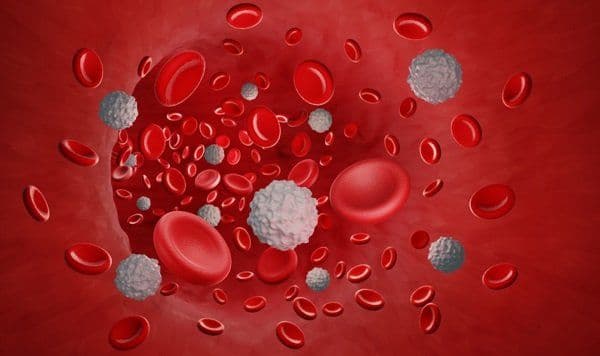
Frequent infections caused by a low count of infection-fighting white blood cells can also be a sign that you have blood cancer. This is because your body has fewer white blood cells to fight off infections, which means you are more likely to get an infection and become sick from it.
- You may have frequent infections due to several different types of cancer:
Leukemia affects the bone marrow and causes the production of abnormal red blood cells (red blood cell leukemia).
- Excessive sweating, especially at night
Excessive sweating, especially at night, can signify blood cancer. Sweating is not always a symptom of blood cancer and can also be caused by other medical conditions. If you are sweating more than usual, it is important to see your doctor so they can determine the cause and correct it.
- Fatigue
If you’re always tired, it’s important to get checked out by a doctor. Many different conditions, including cancer, can cause fatigue.
- Fever, chills
Fever, chills, and sweating are common symptoms of infection. They’re also signs of blood cancer.
- Drenching night sweats
Sweating is a symptom of blood cancer, but night sweats are not. Many things, including stress and exercise, can cause sweating. But it’s usually associated with a tumor in your body. So if you’re sweating at night and have no other symptoms of a tumor (like pain or feeling weak), then you may have an infection or inflammation somewhere on your body that’s causing this excessive sweating.
- Loss of appetite or significant weight loss not attributed to dieting or exercise
If you’ve lost a lot of weight, it’s important to ensure that your appetite isn’t affected by cancer. If your appetite is significantly reduced and not attributed to dieting or exercise, this could be a sign of blood cancer.
Treatment
A drug used to treat cancer is called Dasamaps 70mg tablet.
A 70 mg dasamaps pill treats blood cancer (chronic myeloid leukemia). It is prescribed to persons whose leukemia was resistant to other leukemia treatments or who were unable to take those treatments because of side effects.
Dasatinib tablets can be taken with or without food. However, for optimal results, take them at the same time every day. Your doctor will choose the right dose and the best administration schedule.
Dasatinib uses
Be sure to take this medication as prescribed by your doctor and for the full recommended time. At once, take it all in. It must not be eaten, broken, or crushed. Dasamaps 70mg tablets may be taken with or without meals, but it is advised that you take them at a predetermined time. By stopping the abnormal protein from signaling the expansion of cancer cells, it prevents the proliferation of cancer cells. This helps in stopping or slowing the spread of cancerous cells. Following consumption of this tablet, it is strictly forbidden to drive or breastfeed.