Soft Tissue Sarcoma
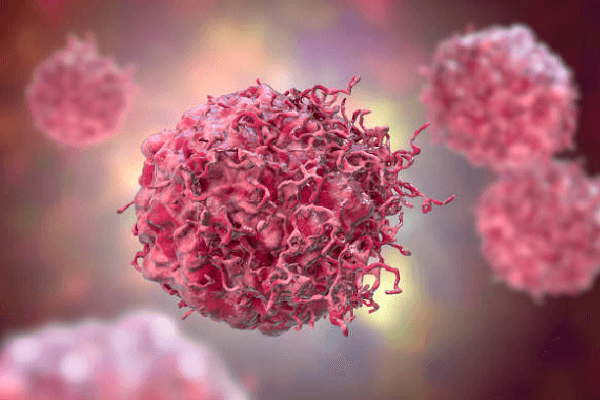
It is a type of cancer that affects people of any age and can develop in any part of the body. The tumors can develop in any part of your body, making them challenging to diagnose and detect. The right treatment procedure for soft tissue sarcoma depends on the treatment procedure, type of tumor, size, etc. It is a rare type of cancer that is commonly found in the arms, head, legs, abdomen, and neck. Effective medications like tab pazopanib 400 mg then help to treat STS.
Diagnosis
Since there can be different types of soft tissue sarcoma, it is important to determine the size and nature of tumor to know the exact type of soft tissue sarcoma and the right treatment procedure. Early diagnosis and effective medications like pazopanib tablets 400 mg help in providing the best treatment for STS. Imaging tests like MRI, X-rays and city scans help evaluate the tumor area. Experienced doctors also use biopsy techniques for planning surgical treatment of soft tissue sarcoma.
Treatment options for soft tissue sarcoma
The right treatment procedure for soft tissue sarcoma will be based on the tumor’s location, type, and size. The following are the common treatment options for soft tissue sarcoma.
- Surgery
A common treatment procedure for STS is surgery which involves the removal of the cancer tumors along with a few healthy tissues that surround the tumor. When a person’s legs and arms get affected due to soft tissue sarcoma, chemotherapy and radiation therapy can be considered to shrink the tumor size and eliminate amputation.
- Radiation therapy
Radiation therapy helps in treating soft tissue sarcoma by giving high-powered energy beams. Radiation therapy can be given before surgery to shrink the tumor size so that it becomes easy to remove. Intraoperative radiation includes high-power radiation to target the cancer area directly. Post-operative radiation is given after surgery to kill the remaining cancerous cells.
- Chemotherapy
Soft tissue sarcoma, in most cases, responds in a better way when chemotherapy is given compared to other methods of treatment. Chemotherapy is basically a type of drug treatment that uses chemicals to kill cancerous cells.
- Targeted drug therapy
In specific types of soft tissue, sarcoma-targeted drug therapy becomes a viable option to attack cancer cells. Effective drugs like pazopanib 400 work better than chemotherapy and are not so toxic. In the case of gastrointestinal stromal tumors, targeted treatments are considered to be a great help.
Treatment of soft tissue sarcoma by stage
Stage I
Stage one soft tissue sarcoma is a case where the tumors are smaller in size and can be removed with a surgical procedure. Apart from surgery, radiation therapy after surgery is also a viable treatment option that lowers the chance of cancer remission. If the tumor is found in regions like the neck, head, and abdomen, radiation or chemotherapy is given before the surgery to shrink the tumor size.
Stage II and III
Stage two and three STS refers to high-grade tumors which spread and grow quickly. Surgery is the main treatment to remove the tumor in these two stages. If the tumor is present in places where surgery is difficult, then chemotherapy, radiation therapy, or both are important treatment options that take place before surgery.
Stage IV
At this stage, cancer spreads to distant parts of the body, and tumors are removed with the help of surgery, chemotherapy, or radiation therapy. Treatment with the help of immunotherapy or new targeted drugs like Pazokast 400 is a viable option.