Colorectal Cancer
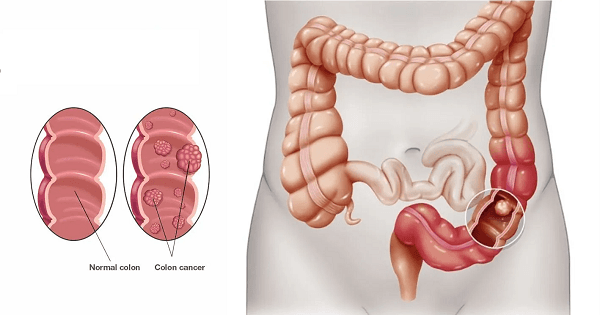
It starts developing when the cells which line the rectum or colon start behaving abnormally and can’t be controlled. This type of cancer does not show symptoms until it reaches the advanced stage. Therefore everyone must go for colorectal cancer screening regularly. When cancer begins in the colon, it is known to be colon cancer; when cancer begins in the rectum, it is rectal cancer.
So if this cancer develops in either of these 2 parts, it is known to be colorectal cancer. Colorectal cancer starts developing gradually from precancerous or adenomatous polyps. The growth of polyps results in a series of abnormalities in cellular DNA. Some risk factors in colorectal cancer include alcohol intake, inflammatory bowel disease, smoking habits, family history of rectal or colon cancer, lifestyle, etc.
How colorectal cancer develops in your body?
The cells of your body grow normally, divide, and then automatically dies to keep your body healthy and facilitate normal functioning. However, in certain cases, it has been found that the cells become out of control. These cells grow as well as divide even after dying. These cells that line the rectum and colon start multiplying uncontrollably and lead to the development of colorectal cancer. In most cases, cancers develop as serrated or precancerous polyps, which grow gradually and don’t show any symptoms unless they become cancerous or large.
If the precancerous polyp is detected and removed before the advancement of cancer, there is a low life risk. There are many colorectal polyps; however, cancer starts only from sessile serrated and adenoma lesions considered precancerous polyps. When a polyp is found at colonoscopy then, it is removed by a pathologist.
Certain factors increase the risk of colorectal cancer to make polyps cancerous such as.
- When bigger than 1cm polyp is discovered
- When 3 or more polyps are discovered
- When dysplasia is visible in polyp after removal. Dysplasia is a precancerous condition. The presence of dysplasia means that cells within the lining of the rectum or colon or region in a polyp have become abnormal but didn’t become fully cancerous.
What are the symptoms and signs?
- Bowel incontinence, Constipation, incomplete evacuation,
- Blood in the stool
- Vomiting
- Weight loss
- Bloating or abdominal pain
Screening and medication
It is diagnosed through several tests, and based on your condition, your physician prescribes the necessary medication. For instance, Distamine 500mg Tablet and Capecitabin tablets have treated and cured colorectal cancer to a great extent. It is paramount to go for regular colorectal examinations or screenings to detect health issues at an earlier stage. Since cancer doesn’t show up any symptoms or signs in the initial stages, go for the following screening option-
- Fecal DNA tests
- Barium enema
- Fecal occult blood test
- Flexible sigmoidoscopy
- CT colonography
How can colorectal cancer spread?
When cancer forms in a polyp, it gradually grows into the walls of the rectum or colon. The rectum and colon walls consist of several layers. This cancer develops in the mucosa and then grows outward via other layers. If cancer cells are present in the wall, they can even grow into lymph vessels or blood vessels, and from there, the cancer cells can reach other body parts and even lymph nodes. The stage of this cancer depends on how it grows into the wall and how much it has spread to the outside portion of the rectum and colon. Medication like Distamine helps to delay the symptoms and treat this cancer.